Handwritten Invitation Script: Elevate Your Handmade Brand Identity
I remember the exact moment I realized my candle labels needed a personality shift. For months, I had been using a standard, clean sans serif font for everything—from my boutique tags to my wedding invitation mockups. It was tidy, sure, but it felt cold. It lacked the warmth of a handmade gift. That Tuesday afternoon, while arranging my design station with fresh sticker sheets and a stack of matte cardstock, I decided to swap out the rigid typeface for Handwritten Invitation Script. The change was immediate. Suddenly, my products didn’t just look manufactured; they looked curated, personal, and effortlessly charming.
If you are a crafter, Etsy seller, or printable creator looking to add that final polished touch to your designs, this script font from Script Amp might be the missing piece in your design toolkit. It isn’t just about picking a pretty lettering style; it’s about communicating the care you put into every stitch, pour, and print. Here is how integrating this modern typography can transform your shop materials and physical products.
The Visual Personality of Handwritten Invitation Script
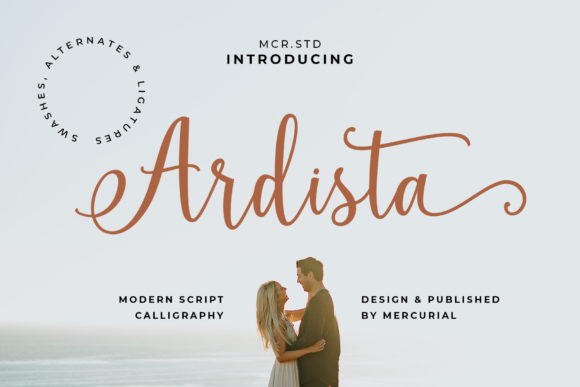
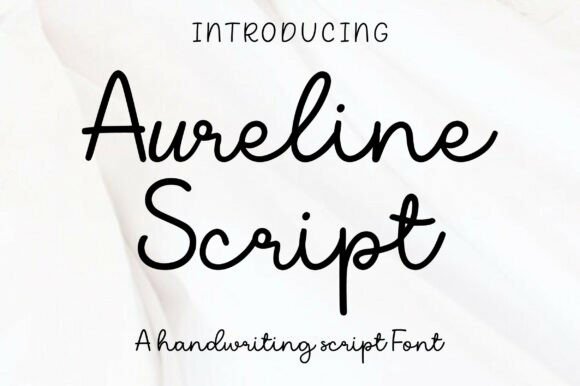
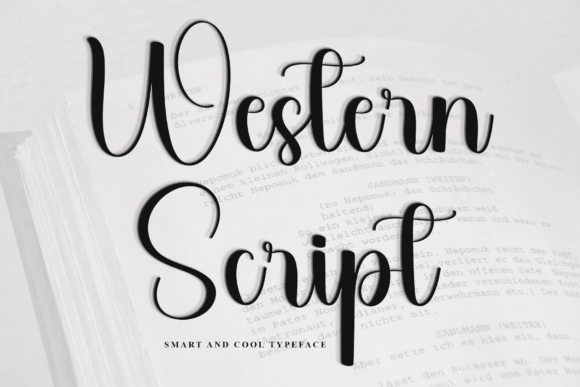
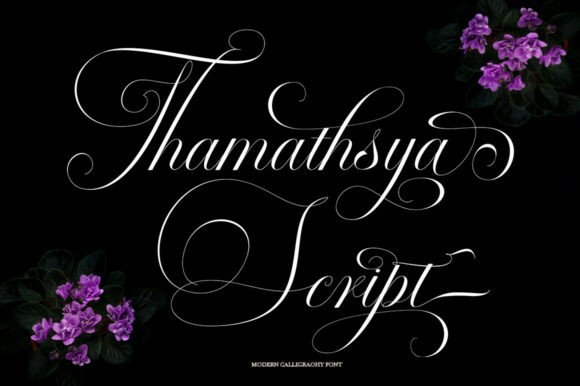
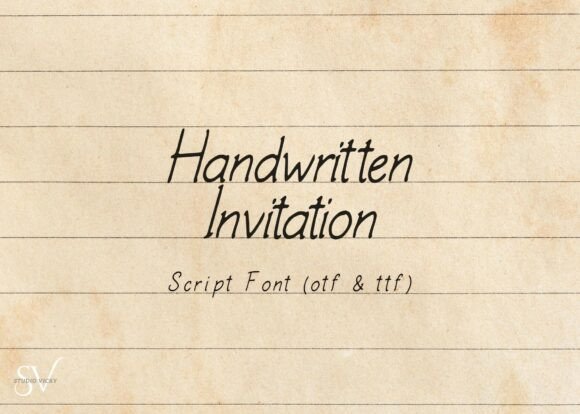
At first glance, Handwritten Invitation Script strikes a balance between graceful elegance and modern approachability. Unlike some overly ornate calligraphy fonts that can feel stiff or difficult to read, this typeface mimics natural pen strokes. It has a flowing rhythm that feels organic, yet it maintains enough structure to remain legible at various sizes. This makes it an ideal choice for makers who want their brand identity to feel premium without sacrificing accessibility.
When you apply this font to a product, you are borrowing the emotional weight of a handwritten note. In a market saturated with mass-produced goods, that human element is powerful. Whether you are designing digital downloads or physical merchandise, the font conveys thoughtfulness. It suggests that someone took the time to craft this item by hand, even if you used cutting machines like Cricut or Silhouette to produce them efficiently.
From Digital Mockups to Physical Products
The versatility of this font allows it to shine across a wide spectrum of creative projects. I have found that its adaptability is one of its greatest strengths. Below are several realistic ways I have integrated this script into my workflow and how you might consider using it in your own business.
Labels, Stickers, and Packaging Design
For small business owners, packaging is often the first physical interaction a customer has with your brand. Using Handwritten Invitation Script on product labels creates an instant sense of luxury. Imagine applying it to soy candle jars, soap bars, or cosmetic bottles. The flowing letters contrast beautifully with minimalist packaging, drawing the eye to the product name or scent description. When designing stickers for planner pages or laptop decor, this font adds a whimsical flair that stands out against solid backgrounds. Just ensure you leave adequate padding around the text so the curves don’t get lost in the die-cut shape.
Wedding Stationery and Event Invitations
Given its name, it is no surprise that this font excels in the wedding and event space. I frequently use it for digital invitation templates because it captures the essence of traditional calligraphy without requiring years of practice. It works wonderfully for main headers like "You Are Invited" or for addressing envelopes digitally. However, for longer body text, such as venue details or schedules, it is best paired with a simpler typeface to maintain readability.
Seasonal Craft Designs and Holiday Tags
During peak seasons like Christmas or Valentine’s Day, shoppers are drawn to items that feel nostalgic and heartfelt. This script font brings a cozy, editorial feel to holiday tags and gift boxes. I once designed a set of reusable gift tags where the recipient’s name was written in this script, followed by a simple message in a bold display font. The combination created a sophisticated hierarchy that made the gifts feel special before they were even opened.
Readability and Practical Application Tips
While Handwritten Invitation Script is visually stunning, there are practical considerations to keep in mind when preparing files for production. Not all script fonts are created equal, and understanding the limitations will save you from frustrating printing errors.
- Short Phrases vs. Long Text: This font is best suited for short phrases, names, titles, and decorative wording. Avoid using it for paragraphs of body text. The intricate strokes can become muddy when scaled down, making it difficult for customers to read fine print on product ingredients or care instructions.
- Size Matters: When testing your designs in software, zoom out to see how the font looks at actual size. On small stickers or bottle caps, thin lines may disappear. If you plan to cut these shapes with a vinyl cutter, ensure the thinnest parts of the letters are thick enough to hold together during weeding.
- Contrast is Key: To ensure your text pops, pair this script with high-contrast colors. A dark charcoal script on a cream background, or a white script on a deep navy label, will enhance legibility and visual appeal.
Strategic Font Pairing for Cohesive Branding
No single font can do everything. To create a balanced and professional design system, pairing Handwritten Invitation Script with complementary typefaces is essential. The goal is to let the script take center stage while the supporting font handles the heavy lifting of information delivery.
A clean sans serif font is a classic partner. The geometric simplicity of a sans serif contrasts nicely with the organic curves of the script, creating a modern, airy look. This combination works exceptionally well for boutique tags, tote bag prints, and social media graphics where you need to convey both style and clarity.
Alternatively, pairing with a simple serif font can evoke a more traditional, editorial aesthetic. This is perfect for greeting cards, wedding welcome boards, or farmhouse-style signs. The slight flourishes of a serif complement the elegance of the script without competing for attention. For a bolder statement, try pairing it with a bold display font for secondary emphasis, such as highlighting a sale price or a key feature on a listing image.
Licensing and Commercial Use Considerations
As a creator selling physical products and digital downloads, protecting your work and respecting intellectual property is crucial. Before incorporating Handwritten Invitation Script into your commercial inventory, always review the specific license agreement provided by Script Amp. Most premium fonts offer different tiers of licensing for personal use versus commercial use.
Ensure you understand the scope of usage. Some licenses allow you to sell physical items printed with the font (like shirts, mugs, and signs), while others may require additional fees for unlimited sales volume or digital template distribution. Check for included features such as alternates, ligatures, swashes, and weights. These extras can significantly enhance your designs, allowing you to customize the look of your branding assets. Additionally, verify multilingual support if you plan to cater to international audiences, ensuring that accents and special characters render correctly on your products.
Elevating Your Creative Output
Incorporating Handwritten Invitation Script into your design process is more than a stylistic choice; it is a strategic move to deepen the connection with your audience. By choosing a typeface that feels personal and polished, you signal to your customers that quality and care are at the heart of your brand. Whether you are updating your Etsy listing images, redesigning your product labels, or creating new seasonal collections, let this font help tell your story. Take the time to experiment with spacing, color, and pairing. You may find, as I did, that the right typography doesn’t just decorate your work—it defines it.